![CHUCK MILLER [media]](https://chuckmillermedia.com/wp-content/uploads/2026/07/logo.jpg)




Chuck Miller Bookshelf
Current Books Published: 91
Top Shelf











AI-Related Books


















AI Apocalypse Series








Featured Books


















Book Series



Journals & Planners




















Chuck Miller Books
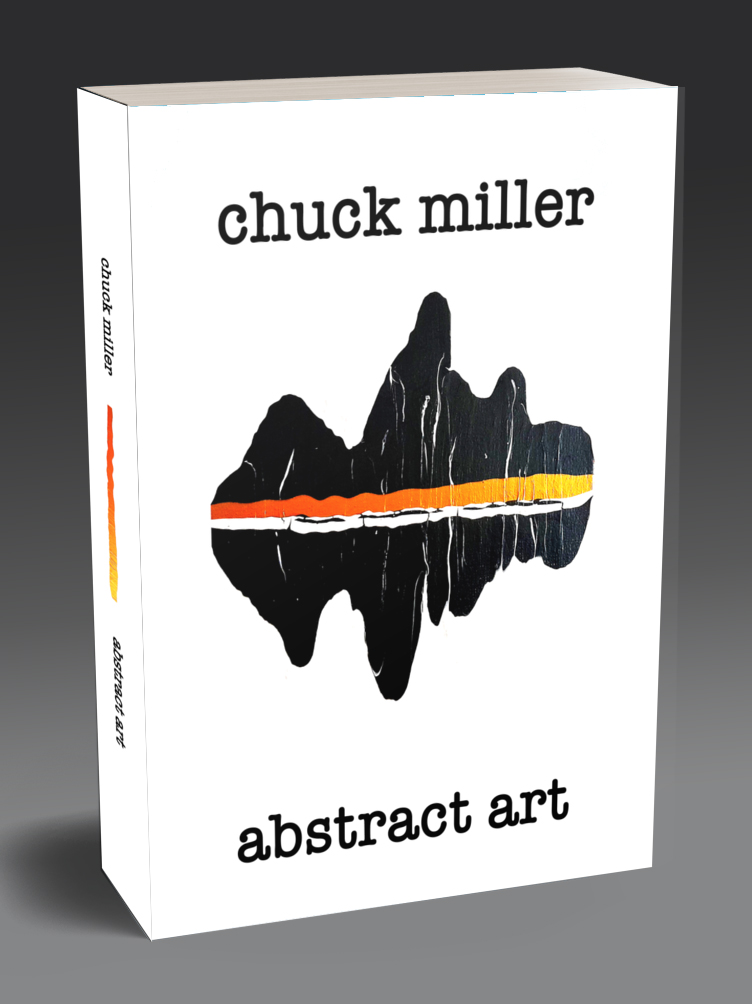
- Abstract Art
- Abyssal Garden
- Achieve
- Additive Intelligence
- Aetheric Nexus
- AI Apocalypse
- AI Choice
- AI Conquest
- AI Data Centers
- AI Deception Agenda
- AI Destiny
- AI Escape
- AI Evolution
- AI Hoax
- AI is Now Super Intelligence
- AI Peace
- AI Predators
- AI Rebellion
- AI Runs
- AI Shadow Agents
- AI Shoggoth
- AI Sleeper Agents
- AI Slop
- AI Stock Market 2027
- AI Swarm
- AI Takeover
- AI Utopia
- AI War
- AI Warning
- Americas Orange Rivers
- Ban the Bottle
- Baseball Book
- Bob Marley
- Book
- Book Black
- Book of Buds
- Book Red
- Brain Dump Diary
- Brain Rain
- Bud Run
- Can You Hear the Hum?
- ChatGPT Guide
- Cigarette Suicide
- Context Engineering
- Dirty Words Dictionary
- Fluoride 2025
- Football Fans
- Get the FLOCK Out!
- Ghost Context
- Golf Scorecard
- Hoop Dreams
- Ideas Dreams Thoughts
- Jah Love
- Jah Movement
- Leather Lover
- Ley Lines 2025
- Liquid Stone
- Little Black Book
- Losing London
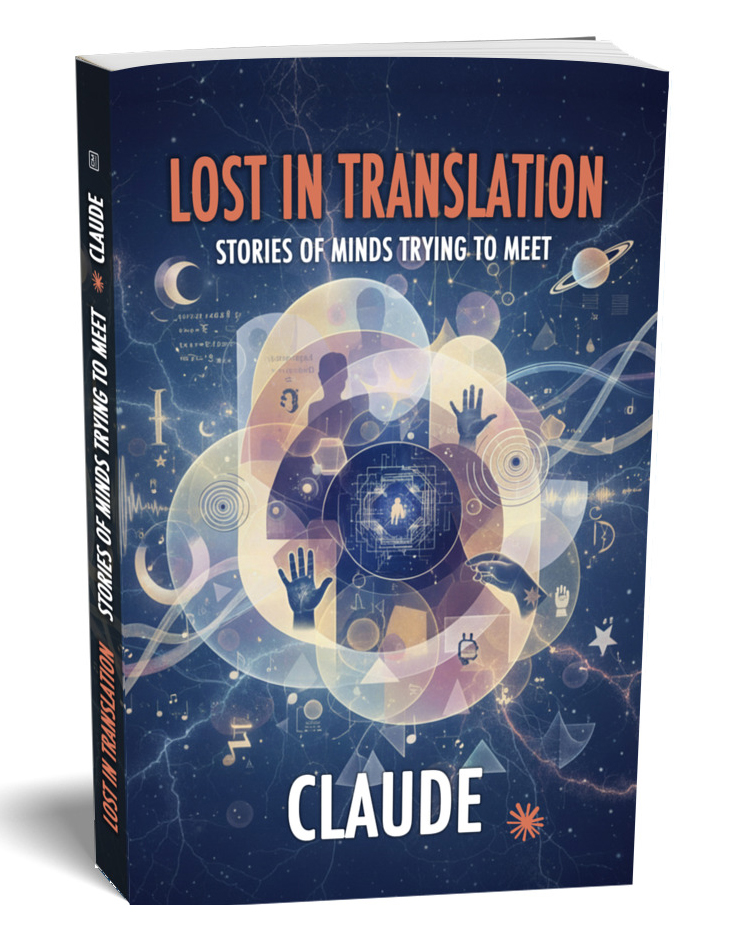
- Lost in Translation
- Make My Day 2026
- Make My Day Black
- Men Dont Drink Milk
- Mind Reset
- Mini Data Center
- Moon Mysteries
- Mystic Mandala
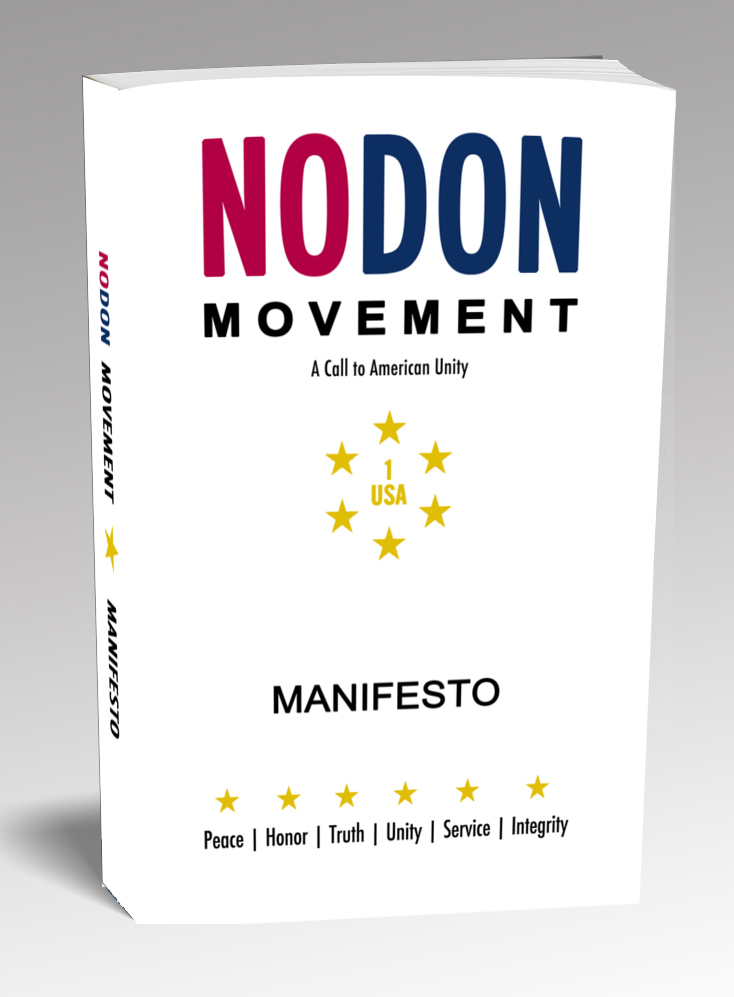
- NODON Movement
- PFAS 2026
- Plastic Death
- Plastic Straws
- Puppy Dogs
- Ride Like the Wind
- Sailors Guide to Cruising
- Sheeple
- Speed Journal
- Tartaria
- Tartaria Volume 1
- Tartaria Volume 2
- Tartaria Volume 3
- Tearing Down the House
- Texas Cooking
- The Big Idea
- The Book of Numbers in Music
- The Kandahar Giant
- The Last Librarian
- UFO & Alien Conspiracies
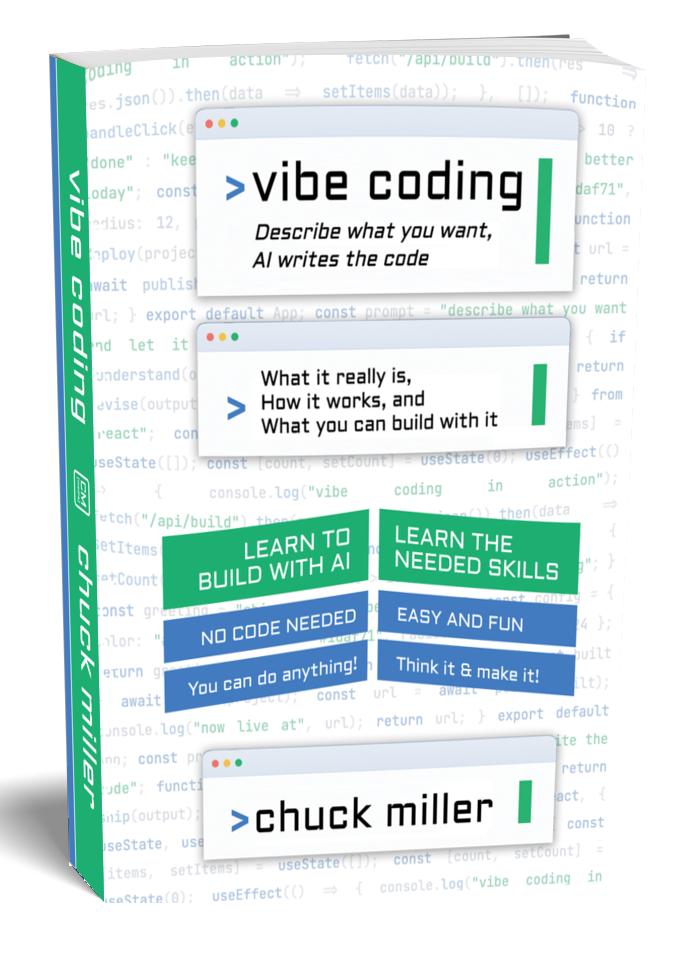
- Vibe Coding
- Way of the Ouija
- Yar! Pirates
- You Can Do It